Furnace Safety: What Minnesota Homeowners Need to Know
Most of the conversation around furnace maintenance focuses on efficiency and avoiding breakdowns. That’s valid. But furnace safety is the more important reason, and it doesn’t get talked about enough. I see it come up regularly with homeowners throughout Plymouth and the western Twin Cities suburbs. A neglected furnace isn’t just an inefficient one. In some cases it’s a dangerous one.
Carbon Monoxide
Carbon monoxide is the risk I think about most when it comes to furnace safety. It’s odorless, colorless, and produced by any gas-burning appliance. A properly functioning, well-maintained furnace vents combustion gases safely out of the house. A furnace with a cracked heat exchanger or a venting problem doesn’t always do that.
Working carbon monoxide detectors on every level of your home are non-negotiable. Test them regularly and replace them according to the manufacturer’s schedule — most have a lifespan of five to seven years. If a CO detector goes off, take it seriously. Get everyone out of the house and call 911 before you call me.
The Heat Exchanger
The heat exchanger is the component that separates combustion gases from the air that circulates through your home. When it develops a crack — which happens as furnaces age and metal expands and contracts through thousands of heating cycles — combustion gases including carbon monoxide can enter the airstream.
A cracked heat exchanger isn’t something you can see from the outside, and it’s not something a homeowner can diagnose. It’s one of the primary reasons annual furnace inspections matter from a safety standpoint, not just an efficiency one. Catching a cracked heat exchanger early means addressing it before it becomes a health risk.
If You Smell Gas
Natural gas has a distinct sulfur smell added specifically so you can detect it. If you smell gas near your furnace or anywhere in your home, don’t try to diagnose it yourself. Leave the house, leave the door open on your way out, and call your gas utility from outside. Don’t flip light switches or use your phone inside the house. Once the utility has cleared it, then call me.
What Annual Maintenance Actually Does
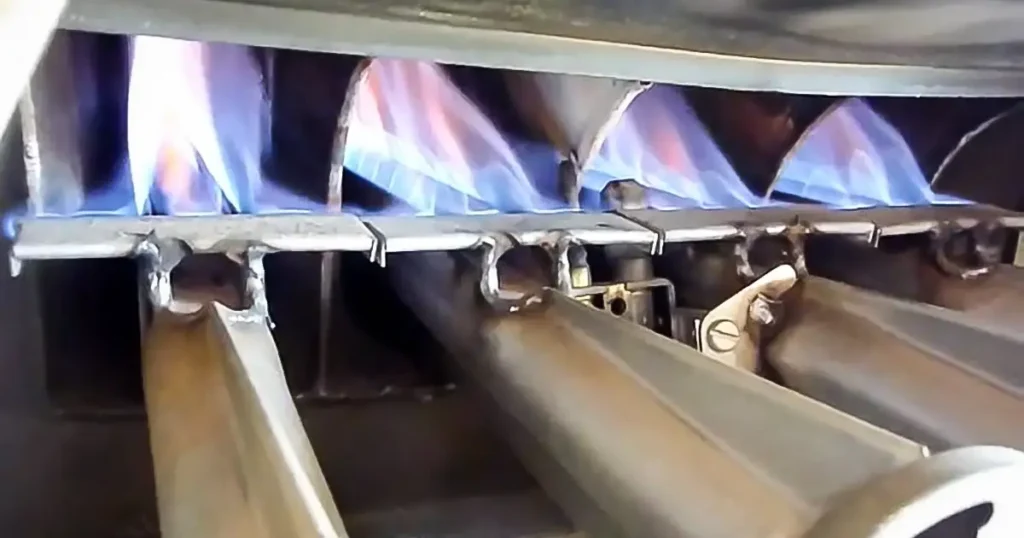
An annual furnace tune-up isn’t just about cleaning and calibration. It’s about a trained technician looking at your system with safety in mind — inspecting the heat exchanger, checking the burners, verifying the venting system is clear and functioning correctly, and testing safety controls. These are things that need eyes on them every year, especially as a system ages.
A furnace that’s been neglected for several years doesn’t just run less efficiently. It’s a system where small safety issues have had time to develop undetected.
The Short Version on Furnace Safety
Keep your CO detectors working. Get your furnace inspected every fall. If something seems wrong — a smell, a sound, a detector alarm — take it seriously rather than waiting to see if it resolves.
For furnace repair or safety concerns, visit my Furnace Repair page or call me at 763-219-7859.