When Is It Time to Replace Your Furnace?
Furnace replacement is one of the most common conversations I have with homeowners throughout Plymouth and the western Twin Cities suburbs — and it’s one I take seriously. It’s a significant expense, and I’m not in the habit of recommending one unless it genuinely makes sense. At the same time, there are situations where continuing to repair an aging system costs more in the long run than replacing it would.
Here’s how I think through the decision.
Start With the Age of Your Furnace
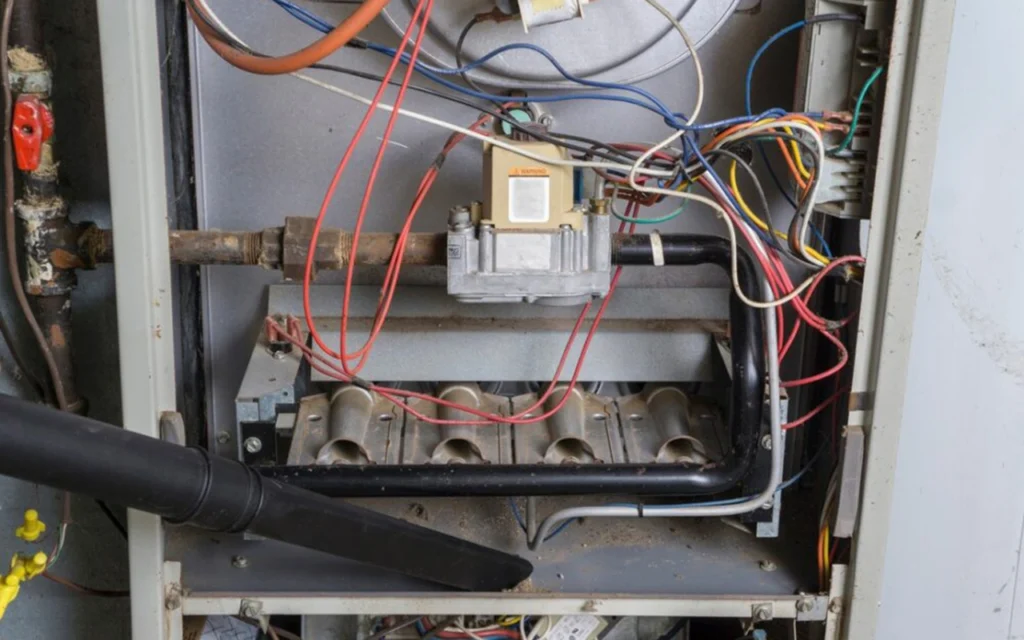
A furnace under 15 years old that’s been reasonably maintained still has useful life in it. If something breaks, repair is almost always the right call — assuming the cost is reasonable relative to what the system is worth.
Once a furnace gets past 15 to 20 years, the calculus shifts. That doesn’t mean it automatically needs replacing — I’ve seen well-maintained systems run reliably into their early twenties. But age is the first factor I weigh. It determines how much useful life is realistically left.
The Furnace Repair Cost Rule
The guideline I use is straightforward: if a repair exceeds roughly half the cost of a new system, replacement is usually the smarter investment. You’re spending significant money to extend the life of equipment that’s already near the end of its run — and you may be back in the same conversation in a year or two.
Minor repairs on an older system are a different story. An ignitor, a pressure switch, a control board — these are reasonable repairs even on an aging furnace, as long as the system is otherwise in decent shape.
Rising Energy Bills
An older furnace losing efficiency doesn’t announce it loudly. It just costs more to run, month after month, winter after winter. If your heating bills have been climbing without a clear explanation, declining efficiency is worth looking at.
Modern high-efficiency furnaces operate at 96% AFUE — meaning 96 cents of every dollar of gas converts into heat. An older furnace at 80% or below loses meaningful energy every time it runs. Over a full Minnesota heating season, that gap adds up.
Frequent Repairs
One repair on an aging furnace is one thing. A pattern of repairs — multiple calls in recent seasons, the same components failing repeatedly — is a different signal. At that point you’re not maintaining a system, you’re subsidizing one that’s on its way out.
What I Actually Do When Furnace Replacement Comes Up
If a homeowner calls and wants a new furnace because they’ve decided it’s time, that’s what we’ll discuss. But when someone calls with a problem and isn’t sure whether to repair or replace, I’ll assess the situation honestly before making a recommendation. Sometimes repair is the clear answer. Sometimes the numbers point toward replacement. Either way, I’ll tell you what I actually think — not just the more expensive option.
If you want to understand the replacement process in more detail — what’s involved, what equipment I install, and what you can expect — visit my Furnace Replacement page.